
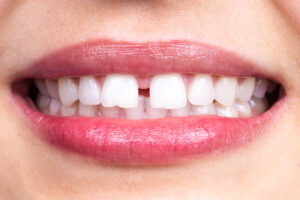
A gap between your teeth can be a charming signature for some, but for many others, it’s a source of self-consciousness every time they smile. If you’d like to close that space but aren’t excited about months of braces or the cost of veneers, there’s good news. Dental bonding is well known for repairing chipped and cracked teeth, but it can also close small gaps quickly and affordably. Here’s how it works and whether it might be right for you.
How Does Bonding Close Gaps?
Dental bonding uses a tooth-colored composite resin that’s carefully matched to the shade of your natural enamel. To close a gap, your dentist adds the resin to the sides of the teeth on either side of the space, sculpting it so the teeth look slightly wider and meet naturally in the middle. The process typically looks like this:
Your dentist selects a resin shade that blends with your smile
The tooth surfaces are lightly etched to help the material bond securely
The resin is applied, shaped, and hardened with a special curing light
The teeth are polished to a natural-looking shine
In most cases, the entire treatment takes 30 to 60 minutes per tooth and can be completed in a single visit, usually without needles or drilling.
The Benefits of Bonding for Gaps
Patients love dental bonding for a number of reasons:
Affordability: Bonding is one of the most cost-effective cosmetic treatments available, typically costing far less than veneers or orthodontics.
Speed: You can walk out with a gap-free smile the very same day.
Conservative: Little to no natural tooth structure needs to be removed.
Natural results: Custom-matched resin blends seamlessly with your teeth.
A Boost for Your Oral Health, Too
Closing a gap isn’t only about appearance. Spaces between teeth can trap food particles and plaque, making it easier for bacteria to irritate your gums. Once the gap is closed, your smile may be easier to keep clean, which can support healthier gums along with a more confident grin.
Is Bonding Right for Your Gap?
Bonding works best for small gaps, often around two millimeters or less. Larger spaces, or gaps caused by misaligned teeth or bite problems, may be better addressed with orthodontics like clear aligners or with porcelain veneers. If you grind your teeth or bite your nails, your dentist may recommend a more durable option, since composite resin isn’t quite as strong as natural enamel.
Making Your Results Last
With good care, dental bonding often lasts five to 10 years before it needs a touch-up. To get the most out of your results, brush twice a day, floss daily, limit stain-causing drinks like coffee and red wine, avoid chewing on ice or pens, and visit your dentist every six months.
About the Practice
Green Hills Dental Center in Nashville, TN, offers gentle, minimally invasive cosmetic treatments to help patients love their smiles. Dr. James Kirby, who earned his dental degree from the University of Tennessee in Memphis, focuses on cosmetic dentistry and dental implant restoration, using direct bonding to repair chips, close small gaps, and refresh discolored teeth. To find out if bonding is right for you, call (615) 327-2123 or contact us online.X